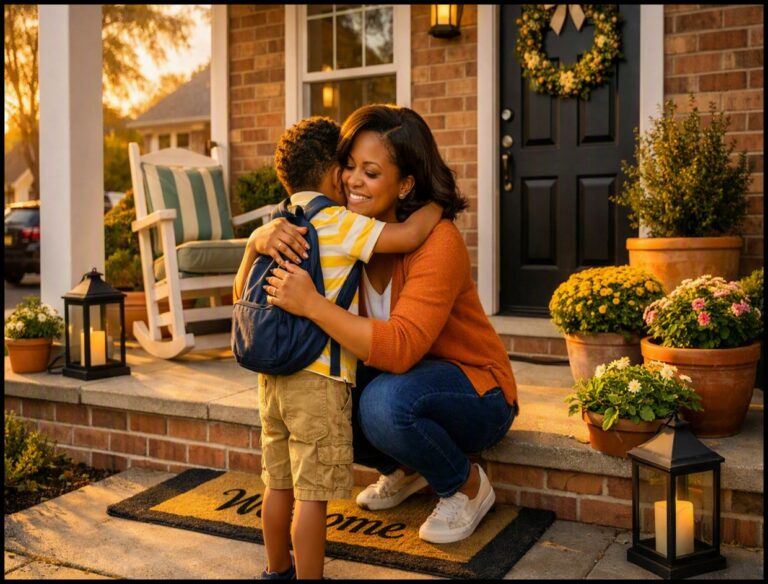
Five-year-old Jordan hurried down the hallway toward the living room, excited to see the coloring books and marker set on the coffee table. In the doorway, his aunt was carefully carrying a cup of hot tea and a small plate of cookies. Jordan squeezed past without saying “excuse me,” and the tea spilled onto his aunt’s hand. His aunt stepped back and gently said, “Jordan, sweetheart, saying ‘excuse me’ would have helped us both. Can you please say you’re sorry?” Jordan looked back for a second, grabbed his markers, and said, “I just wanted my coloring book.” It was a small moment, but it showed how easy it is for children to miss the chance to be thoughtful, slow down, and use simple manners.
Let’s Talk About Manners
Manners are not about being perfect or formal all the time. They are simple habits that help children show respect, kindness, and care for the people around them. Words like “please,” “thank you,” “I’m sorry,” and “excuse me” may seem small, but they help children learn how to share space, speak kindly, and think about how their actions affect others.
When a child is not taught basic manners, people may misunderstand them or see them as rude, impatient, or hard to be around. That can make friendships, school, and everyday social situations more difficult. The good news is that manners can be taught in a calm, loving way through practice, reminders, and good examples.
Model Manners
The easiest way to teach manners is to model them. Children notice how adults speak, move, apologize, and respond to others. A few gentle habits can make a big difference.
- Model the Core Phrases: Use “please,” “thank you,” “I’m sorry,” and “excuse me” in everyday life. Let children hear these words from you often, including when you are speaking to them.
- Practice Real-Life Moments: Talk through simple situations, like walking past someone, asking for help, interrupting politely, or saying sorry after a mistake. Keep it light and natural.
- Teach Apologies with Care: Help children understand that saying “I’m sorry” is not about shame. It is about noticing when we hurt, bother, or inconvenience someone and trying to make it right.
- Notice the Good: When a child uses manners on their own, point it out with warmth. A simple “That was kind of you to say thank you” can help the habit stick.
- Use Stories and Everyday Examples: Books, shows, and real-life moments can open easy conversations about kindness, respect, and how our choices make other people feel.
Bottom Line
At the heart of it, manners help children learn how to treat people with care. They teach children to pause, speak kindly, take responsibility, and think about others. These small everyday words can grow into lifelong habits that help children build stronger relationships and move through the world with confidence.
Here is a simple look at what these polite phrases mean and when children can use them:
- “Please”- Showing Respect: Used when asking for something. It reminds children that they are making a request, not a demand.
- “Thank You”- Showing Gratitude: Used when someone gives help, a gift, a compliment, or a kind gesture. It lets the other person know their effort mattered.
- “I’m Sorry”- Taking Responsibility: Used after a mistake, hurt feeling, or accident. It shows that the child understands their actions affected someone else.
- “Excuse Me”- Respecting Space and Attention: Used when passing by, interrupting, or needing someone’s attention. It helps children enter a space or conversation politely.
- “You’re Welcome”- Responding with Warmth: Used after someone says, “thank you.” It keeps the exchange kind and friendly.
- “May I…?”- Asking Permission: Used before borrowing, touching, or doing something that affects someone else. It teaches patience and respect for boundaries.
Teaching manners is one simple way to raise respectful, responsible children who understand that words like “please,” “thank you,” “I’m sorry,” and “excuse me” are more than phrases; they are ways to value others.