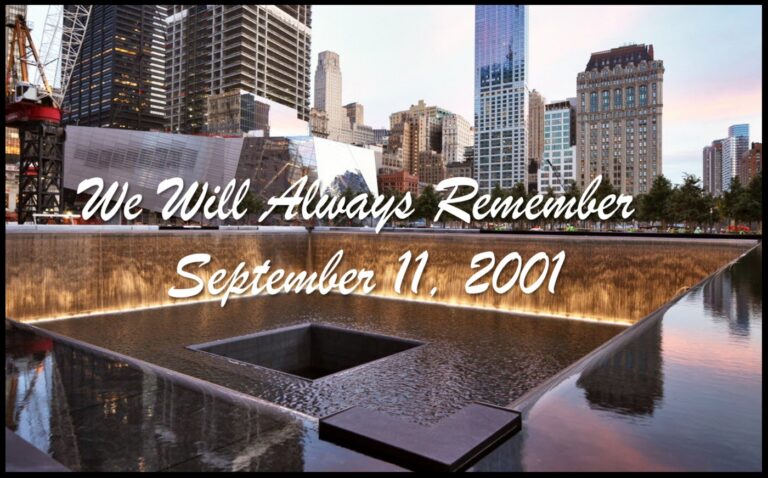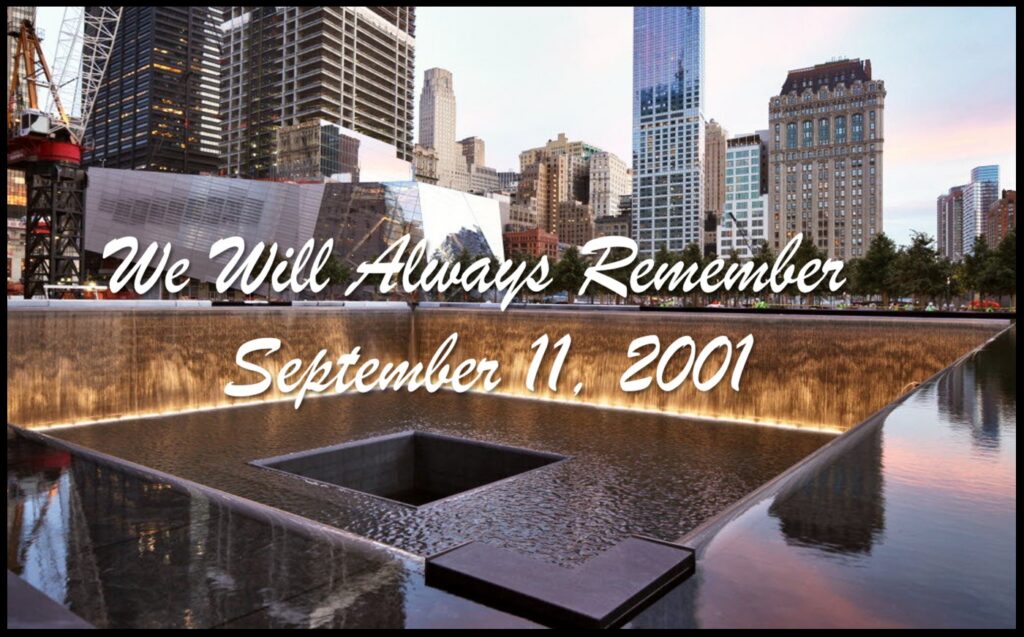
In Memory of the Victims and Heroes of September 11
WE REMEMBER • WE HONOR • WE STAND TOGETHER
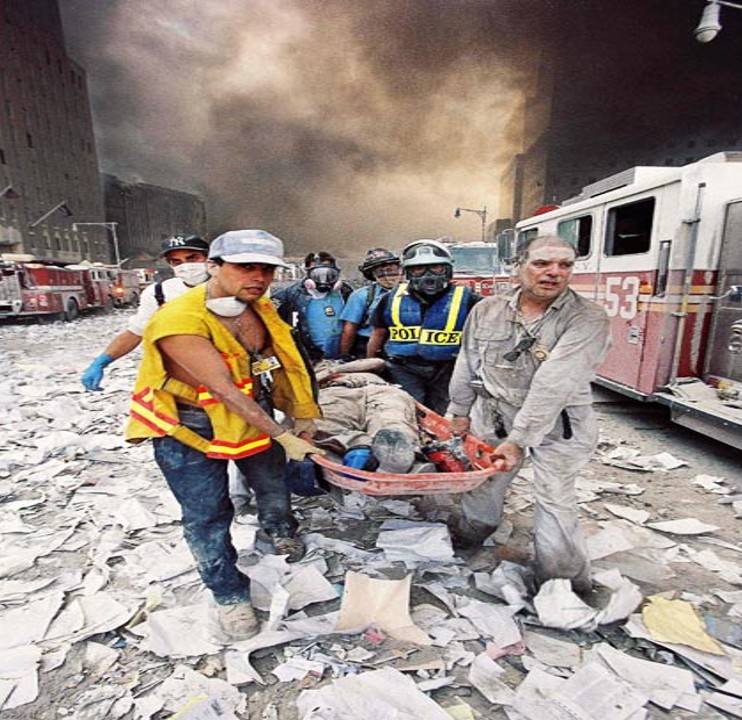
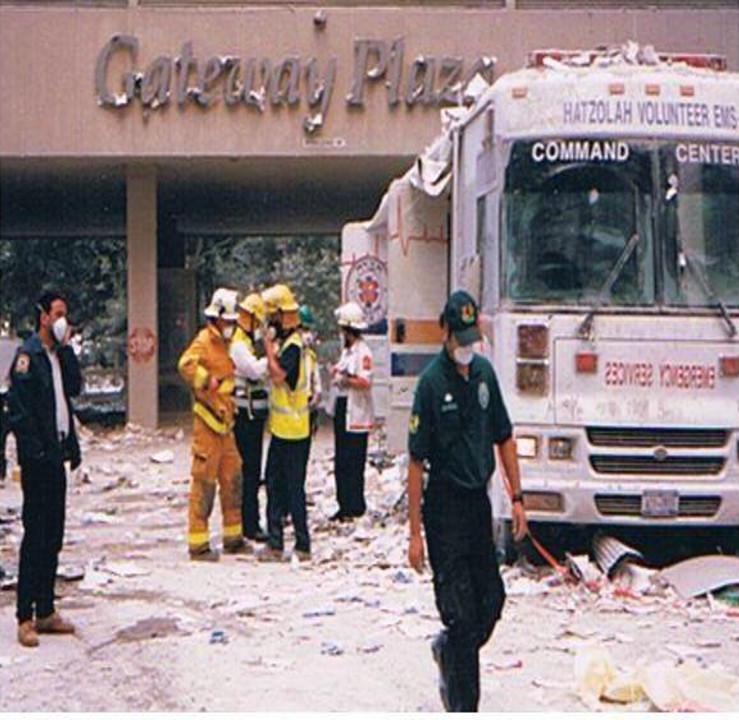
We honor the innocent lives lost, the courageous first responders who answered the call without hesitation, and the families forever changed by the events of September 11, 2001. Their sacrifice, bravery, and resilience remain woven into the fabric of our nation. Though time has passed, their memory endures. May we never forget the strength that emerged from tragedy, the unity that carried a nation forward, and the heroes whose legacy continues to inspire generations.

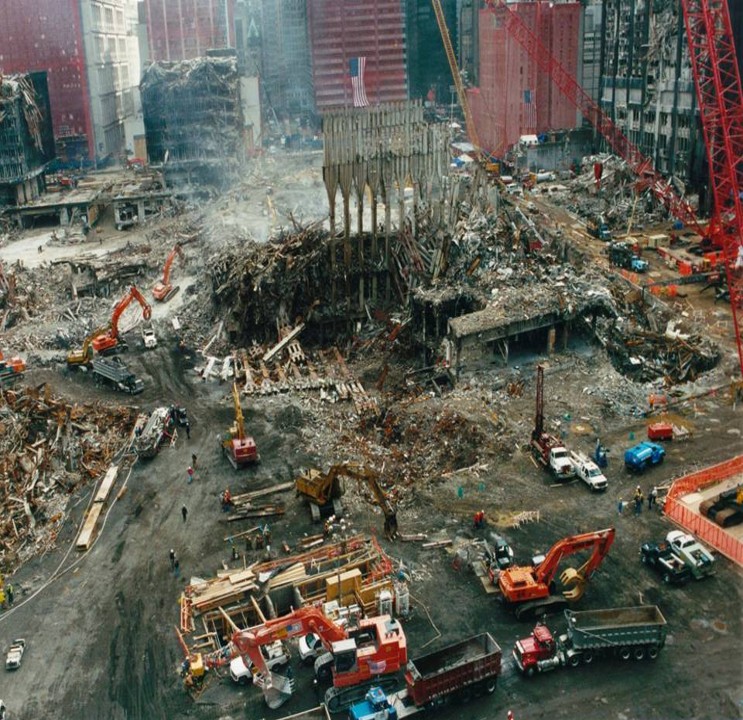
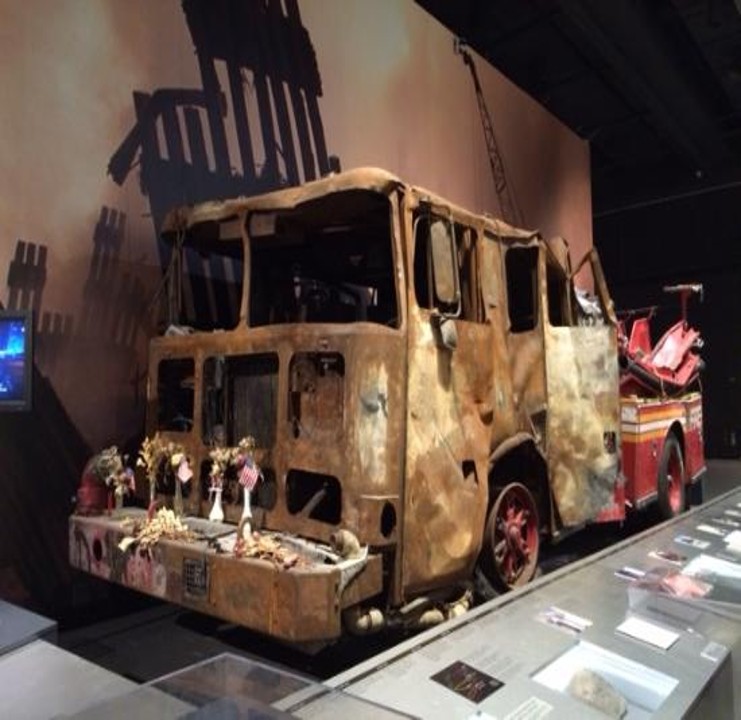
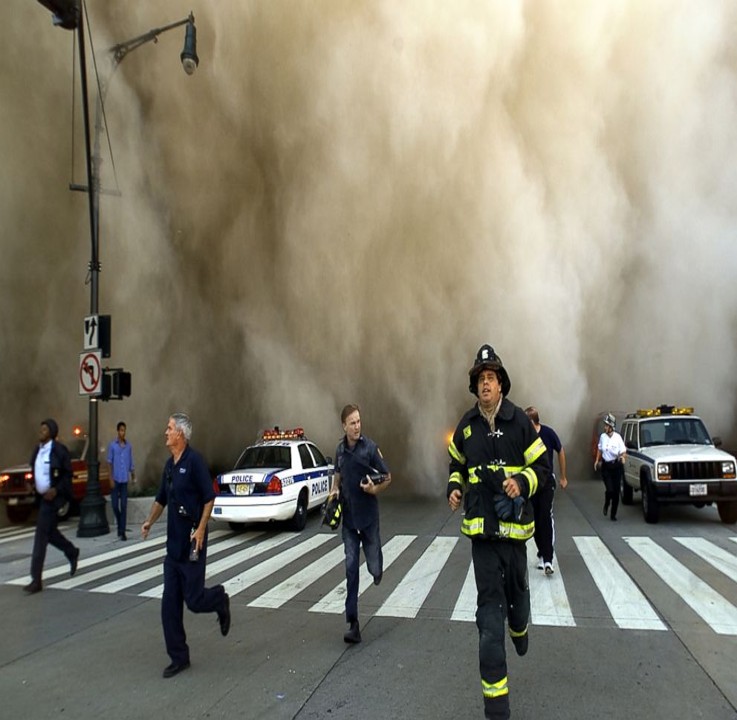
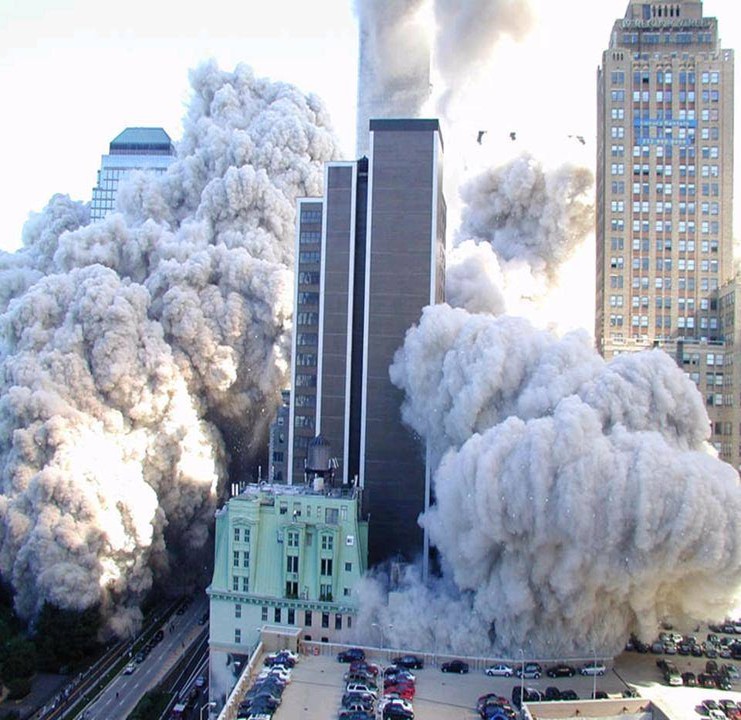
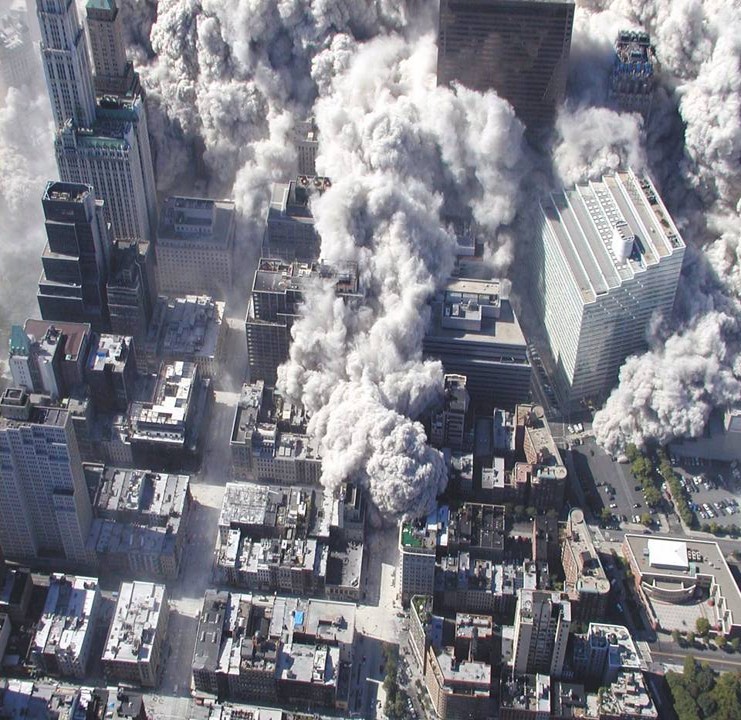



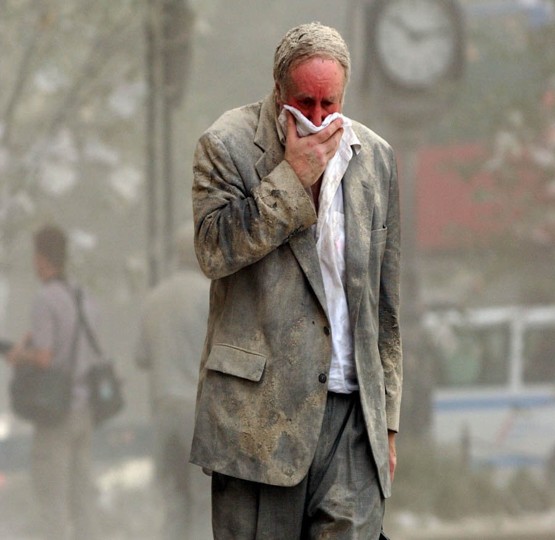


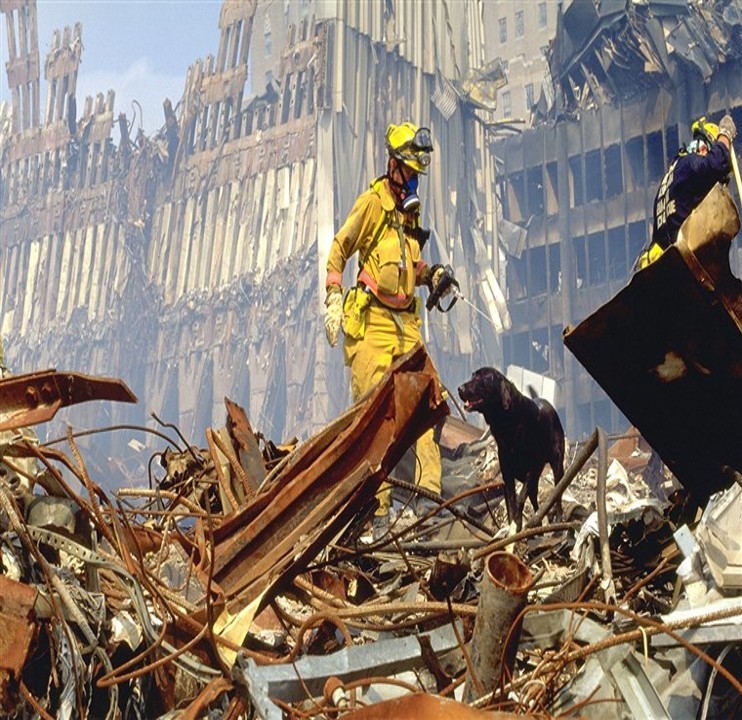
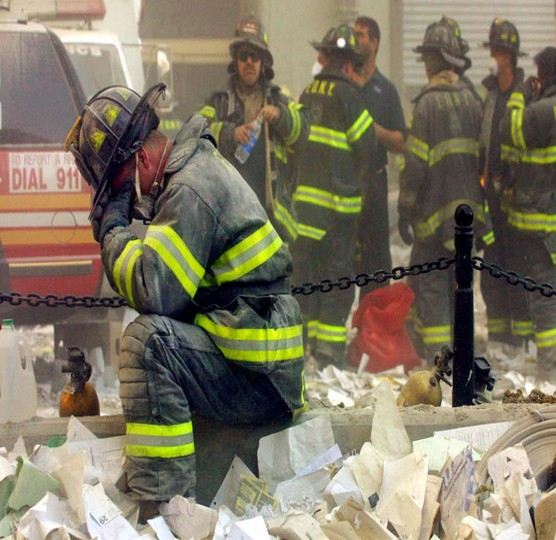


Reflection- By: C. Tillery
As I reflect on the event of 9/11, 25 years ago, I remember how quickly an ordinary morning became a day I would never forget. I was newly married and eight months pregnant with my first child, a son. I was supposed to be preparing for a new chapter in my life, not imagining how much the world around me was about to change.
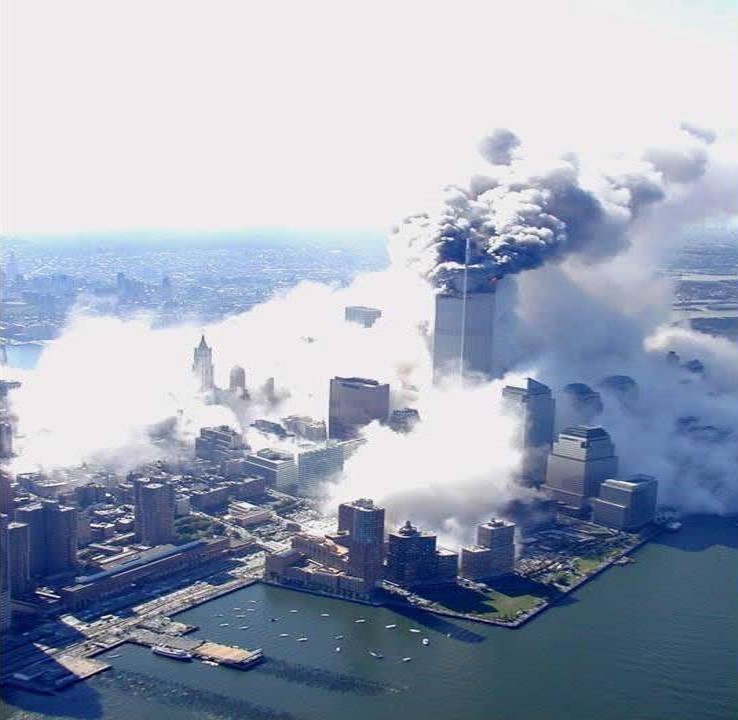
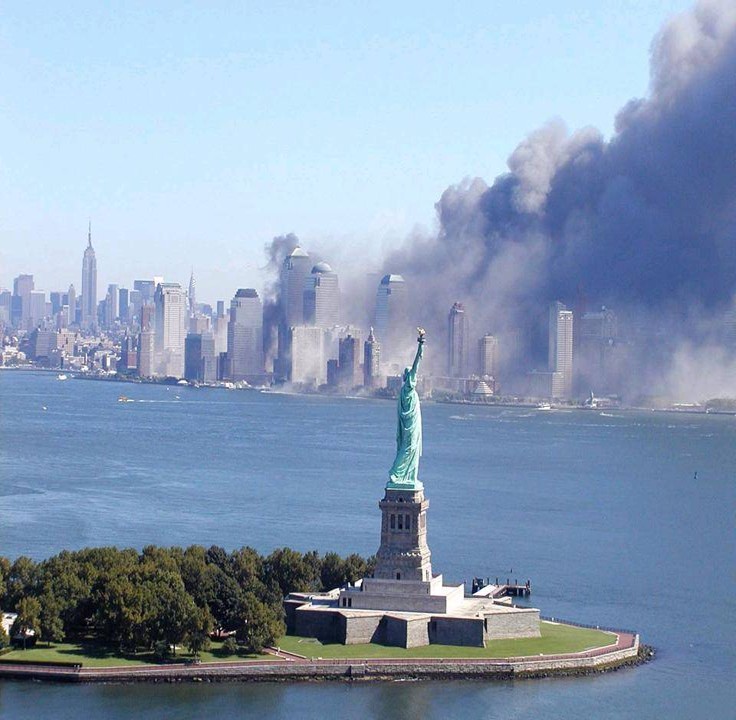
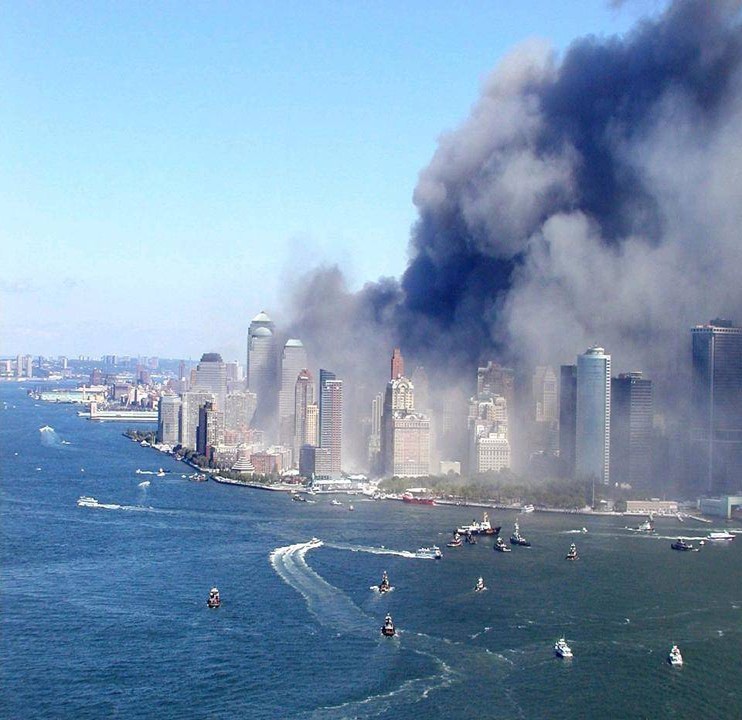
We lived on the second floor of a two-family house in Elizabeth, New Jersey. From the second-floor porch, I could see the Twin Towers’ skyline in the distance. I used to marvel at that view. On September 11, when I checked from my porch to verify whether the event was actually real, all I could see was black smoke in the space where the two buildings used to stand
A Morning I Still Remember
As my due date approached, the living room sofa became the most comfortable place to sleep. I had fallen asleep there while watching television the night before. On the day of 9/11, my husband at the time woke me and said, “Look at this on the TV”. I adjusted my eyes and thought I was watching another action movie. My response was, “What movie is this?” Of course, you already know what my husband said. The News Coverage was on every channel, interrupting the regular morning routine and putting the whole East Coast in a frozen panic.
At first, I thought the plane striking the first tower must have been a terrible accident. It wasn’t until the second plane struck that we realized the planes colliding into the Twin Towers was deliberate. Our Country was being attacked. What I had mistaken for a movie was happening in real time just across the river.
I also realized that the Twin Towers were the World Trade Center station, where transit trains pass through on a daily basis. I sometimes took the PATH train from Newark into New York and continued my trip to visit a relative in Yonkers. Those day trips were something I did without much planning. I kept thinking about how easily I could have been traveling into the city that morning. When the planes hit the towers, the trains in the subway station were at a standstill. The people in the train cars were trapped underneath the building. I could have been on the number 2 train en route to Yonkers. The direct route to the World Trade Center train station starts at the Newark, New Jersey PATH train. Once I arrived in New York, I would catch the number 2 to Yonkers. I would have definitely been trapped.
Close to Home
Even though I was deeply shaken, I still had a workday ahead of me. I was the concierge at the Hilton Gateway in Newark and had not started maternity leave. I knew the hotel would need all hands on deck, so I pulled myself together as best I could and went to work.
By the end of my shift, I felt so overwhelmed that I thought I might be going into labor. My husband took me to the hospital, where I learned that I was experiencing a symptom called Braxton Hicks contractions rather than labor. It was due to extreme stress. Our beautiful son arrived the following October. His birth was a happy new beginning after a very difficult past month.
Finding My Way Back to Everyday Life
Twenty-five years later, I still remember that morning on the sofa, the television coverage, and the view from our porch. I also remember that life continued, even when moving forward was difficult. Remembering does not have to mean living in fear. Sometimes it means making room for the memories, enjoying the everyday moments we have now, and taking a few practical steps to stay connected to the people we love.
Sadly, nearly 3,000 people lost their lives on that tragic day, leaving families and communities with a loss that is still remembered today. Four hijacked planes were involved in the attacks: two struck the Twin Towers, one struck the Pentagon, and the fourth crashed in Pennsylvania. The attacks shook our sense of safety and changed how many of us viewed everyday life. Behind every life lost was a person with loved ones, plans, and a story of their own. Even after 25 years, there is still room to pause and honor their memory. As we look ahead, we can carry that remembrance with us while making time for one another and preparing our families for the unexpected.
A Simple Family Emergency Plan
Remembering 9/11 also brings up a practical question: if an emergency happened while our family was apart, would we know what to do? A plan does not have to be complicated. You can start with a quiet conversation around the kitchen table and write down a few decisions together. The checklist below is a starting point to adapt to your household. During an actual emergency, follow local officials’ instructions; meeting up should never mean entering an unsafe area.
- Choose one shared contact. Pick a trusted relative or friend outside your area who can help relay updates. Everyone should save that person’s number and carry a paper copy of family contacts in a wallet or book bag. Keep another copy at home. Include school, workplace, caregiver, and medical contact numbers.
- Agree on how to check in. Create a family message group ahead of time. When it is safe, send a short update such as, “I’m safe. I’m at school. I’m staying here until we get instructions.” Try texting first if networks are busy; a text may get through when a call cannot. If you need to call, keep it brief to save your battery’s energy. Agree on a reasonable check-in schedule and update the shared contact if your location or plans change. Call 911 for an immediate emergency, not for routine family updates.
- Use location sharing as a backup, not a guarantee. If your family chooses to use phone-based location sharing, set it up together beforehand and limit access to trusted family members. Test it, then make sure everyone understands it. A location can be outdated, and a dead battery or poor service can stop updates. Keep paper contacts and meeting instructions, too. One adult can keep a simple list of who has checked in and each person’s last confirmed safe location.
- Pick meeting places before you need them. Choose a nearby spot for an emergency that requires leaving home, such as a familiar landmark a safe distance away. Also choose a place outside your neighborhood and an out-of-town backup. Write down exact addresses and a clear meeting point, such as the main entrance. Confirm in advance that hosts are willing to receive you. Only go if the location and route are safe and officials permit travel. If you are told to shelter in place, stay where directed and send an update rather than trying to reunite immediately.
- Work out who picks up whom, and how. Review school, childcare, and workplace emergency procedures. Name a primary and backup adult authorized to pick up children. Children should stay with school staff or their designated caregiver until released through the proper process, rather than setting off for a meeting place alone. Plan transportation for anyone who needs assistance, consider alternate routes, and include pets. Keep a local paper map in case phone navigation is unavailable.
- Pack a manageable emergency book bag. Keep it somewhere easy to reach, and make sure each person can comfortably carry their own bag. A book bag is a useful grab-and-go starting point, not a complete household supply kit. Consider packing:
- Bottled water and ready-to-eat nonperishable snacks.
- A phone charging cable, a charged power bank, and a wall charger.
- A flashlight, extra batteries, and a small battery-powered or hand-crank radio.
- A small first-aid kit, essential medications, and a written medication and allergy list. Discuss emergency medication supplies and any temperature-sensitive storage with your pharmacist or clinician.
- Paper emergency contacts, meeting addresses, and copies of essential identification and insurance information in a waterproof pouch.
- A little cash, spare keys, a whistle, and a local map.
- A change of clothes, socks, a light rain jacket, and an emergency blanket.
- Basic hygiene items, such as wipes, tissues, sanitation pads, a toothbrush, and hand sanitizer.
- Needed glasses, hearing-aid batteries, baby supplies, or other personal essentials.
- A small comfort item for a child, such as a familiar toy or activity book. Pack pet food, a leash, identification, and other pet essentials separately as needed.
Plan additional supplies beyond what fits in a book bag. The American Red Cross recommends three days of food and water for evacuation and two weeks for home, including one gallon of water per person per day. Water is heavy, so decide ahead of time how to store and transport it; do not overload a child’s bag. Leave immediately, if necessary; never delay getting to safety to collect supplies.
- Stay informed. Sign up for local emergency alerts and know where to find official updates from schools and workplaces. Keep a radio available in case power or internet service fails. Follow evacuation or shelter-in-place instructions, and do not return to an evacuated area until officials say it is safe.
- Practice without making it scary. Walk through the plan together on an ordinary day. Try a check-in text, review meeting places, and let children help choose a comfort item for their bags. Revisit the plan when phone numbers, schools, medications, or family needs change. Check batteries and replace expired supplies regularly. A little preparation at a time is enough to get started.
The Aftereffects of 9/11 and Looking Ahead
I recall suffering from severe PTSD. At some point, America knew the events that took place were a direct attack on our country from foreigners that I shall not name in this article. But every time I heard a plane fly over my apartment or even over my head, I started to panic. I was scared that the event would happen again. For a long while, I was frozen in time; I didn’t want to venture outside at all. I was completely nervous around a certain group of people, and I was hypervigilant about everything.
It took a few years to feel comfortable in my day-to-day routine, and I’m no longer passing judgment on certain groups. I have learned that you shouldn’t group a certain race, culture, or religion into one category and deem them all dangerous, just because certain individuals decided to impose their beliefs or political views on the world. The definition of diversity means the presence and inclusion of differing elements, characteristics, or people within a group, organization, or environment. America is rich in diversity. We have a melting pot of different races, cultures, religious practices, languages, foods, music, arts, styles, education, political views, and, last, the way we choose to love. Despite what’s going on in the political arena, America stands for freedom, and that is a concept that will always be protected from foreign or domestic attacks. We as a whole, meaning the human race, need to do better in respecting those who are not like us and learning to truly appreciate the Godly meaning of diversity.