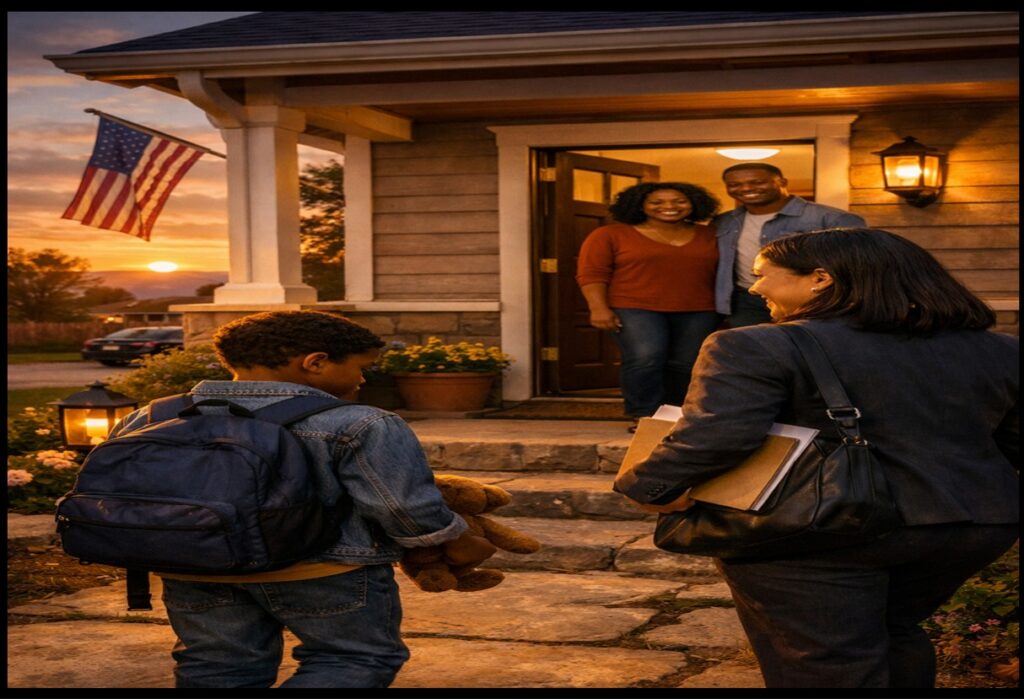
According to the most recent federal data for Fiscal Year 2024, 170,943 children out of 73,000,000 entered foster care in the United States. May is National Foster Care Awareness Month, and before it ends, I want to share my perspective as someone who has had firsthand experience. Foster care is often discussed as a system, service, or policy, but for children inside it, it is deeply personal. It shapes how you see safety, family, trust, and your own worth. My experience included severe abuse and extreme cruelty, multiple placements, a group home, transitional living, and the long work of rebuilding afterward. I am sharing this because people need to understand that foster care is not just about where a child sleeps. It is about what a child survives, what support they receive, and what happens when they are expected to become adults with very little to stand on, like transitional support.
More Than a System on Paper
Foster care is set up to give children a temporary home when their own homes are unsafe because of abuse, neglect, addiction, abandonment, or crisis. On paper, the system sounds protective and organized. In real life, it can be far more complicated. Foster parents are expected to provide not just food and shelter, but stability, advocacy, patience, and trauma-informed care. Some do that with love and integrity. Others do not. Sometimes, children placed in foster homes are worse off with the new family than with their biological parents. That is one of the hardest truths to say out loud. A perspective caregiver may meet every requirement on paper and still be unprepared to care for a child riddled with trauma. The heartbreaking reality is that some individuals take in foster children for the income. Children in care need more than a bed. They need adults who will protect their dignity, understand trauma, and put the child’s needs before money, control, or ego.
The Beginning
I aged out of the foster care system at 19, but my story started long before that. According to my records, my older brother and I were found as very young children in terrible conditions. Later, I learned that my birth mother had been dealing with overwhelming loss and responsibility at a very young age herself. As a child, though, I did not understand any of that. What I carried was the belief that I had been unwanted. That belief was reinforced by abuse in my adoptive home, where I was told repeatedly that my birth mother did not want me. After abuse was reported, I was removed and entered foster care. I experienced the foster home shuffle, emotional harm, and instability, but I also eventually found something different. From 1988 to 1994, I lived in a group home called Safe Havens LLC, and for the first time, I felt secure enough to grow. In 1994, I was no longer qualified for Safe Havens due to age limits and transitioned to an independent living program in Elizabeth, New Jersey (Community Access- TOP), where the support counselors taught me practical life skills like budgeting, cooking, job readiness, and planning for school. From Community Access, I aged out of the system at age 19. I graduated from high school in 1996 on a Thursday and literally moved into Kean University’s dorms that Saturday. I was proud, overwhelmed, hopeful, and scared all at once, but I kept moving forward because that is what survival had taught me to do.
What Happens After Aging Out
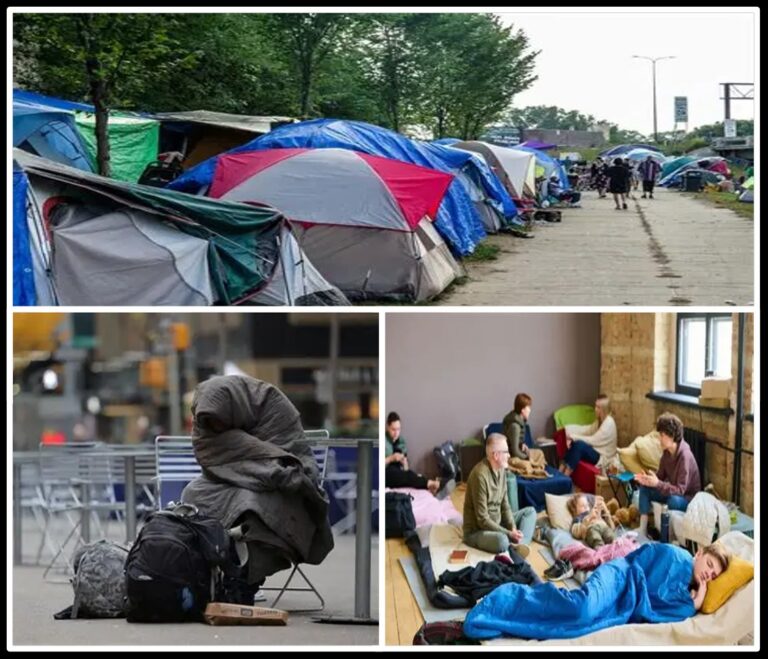
Aging out of foster care is not just a birthday or a case closing. For many young people, it is the moment they are expected to function like adults without having had the support, guidance, or stability that many adults take for granted. Too many youths leave care without permanent family support, strong transition planning, reliable mental health services, or economic security. That is why so many struggle with housing, education, employment, and emotional well-being in early adulthood. We cannot keep telling children they matter and then push them out into a cruel world unprepared when they turn 18 or 19. Real care should include housing support, education, job training, mental health services, and consistent relationships that do not end the moment the system does.
My Life After Foster Care
Adulthood did not erase the impact of foster care. After college, I got married, became a mother of three, divorced, and raised my children as a single mother. One of my children has autism, and parenting has taught me both strength and humility. I have worked for many years as a substitute teacher, returned to school in 2017 to earn a master’s degree in psychology, and started small businesses while trying to build stability for my family. I am proud of how far I have come, but I also want to be honest, survival and success are not the same thing. I have faced financial hardship, housing struggles, depression, and moments of deep exhaustion. Still, I kept going; never give up; never stop. My past shaped me, but it does not get to define the end of my story.
What Young People Need to Hear
If I could say one thing to young people aging out of the system, it would be this: advocate for yourself early and use every resource available to you. You need your identification documents, medical records, a housing plan, a school or work plan, and trusted people in your corner. Learn practical skills like budgeting, transportation, cooking, scheduling appointments, and asking questions until you get answers. Just as important, begin healing from your past. Healing does not mean pretending nothing happened. It means refusing to let your pain make all your decisions for you. Support may not come from biological family, but a safe community still matters. Keep building it.
Conclusion
The foster care system is meant to protect children, but too many leave it carrying trauma, instability, and unanswered needs. My story is only one story, but it reflects a larger truth: safety, belonging, and support cannot end when a case closes. I have known pain, instability, and loss, but I have also known growth, healing, education, motherhood, and perseverance. If you are in foster care, aging out, or rebuilding after it, please know this: your past does not cancel your future. Keep asking for help, keep using your resources, keep healing, and keep moving forward. You are still worthy of safety, support, and a meaningful life.
PS: I found my birth mother!
After years of searching and despite repeated efforts to discourage me, I never let go of the hope of finding my birth family. As an adult, I was no longer expecting a perfect reunion. I mostly wanted family history, answers to lifelong questions, and a chance to see what my birth mother looked like. By 2019, I had almost given up, even though I had already learned that my story included more siblings than I had known growing up.
That same year, I signed up for Ancestry.com out of curiosity about my genealogy, not expecting it to change my life. After sending in my DNA sample and receiving my results, I explored the site’s connected relatives’ section and saw a woman whose face felt strangely familiar. The results assigned us as possible first cousins. I decided to drum up enough courage to reach out, and after just a few messages, we realized we were not cousins at all, but sisters. We talked for hours, and in that moment, pieces of my story started coming together in a way they never had before.
Through that discovery, I learned I had five additional siblings and was able to reconnect with both my mother’s and father’s sides of the family. Most importantly, I finally met my birth mother, forgave her, and began a deeper healing process.
Thank you for reading my story. If you are a former foster youth or still finding your way, please do not give up. Keep moving forward, because one day you may be the one encouraging someone else with your own story.