Imagine being a world-famous artist like Jungkook from BTS. You step onto a stage and see thousands of faces in the crowd, but one face keeps showing up again and again. At first, that kind of support might seem touching. It can feel loyal, familiar, and even comforting. But over time, that same attention can start to feel less supportive and more intrusive.
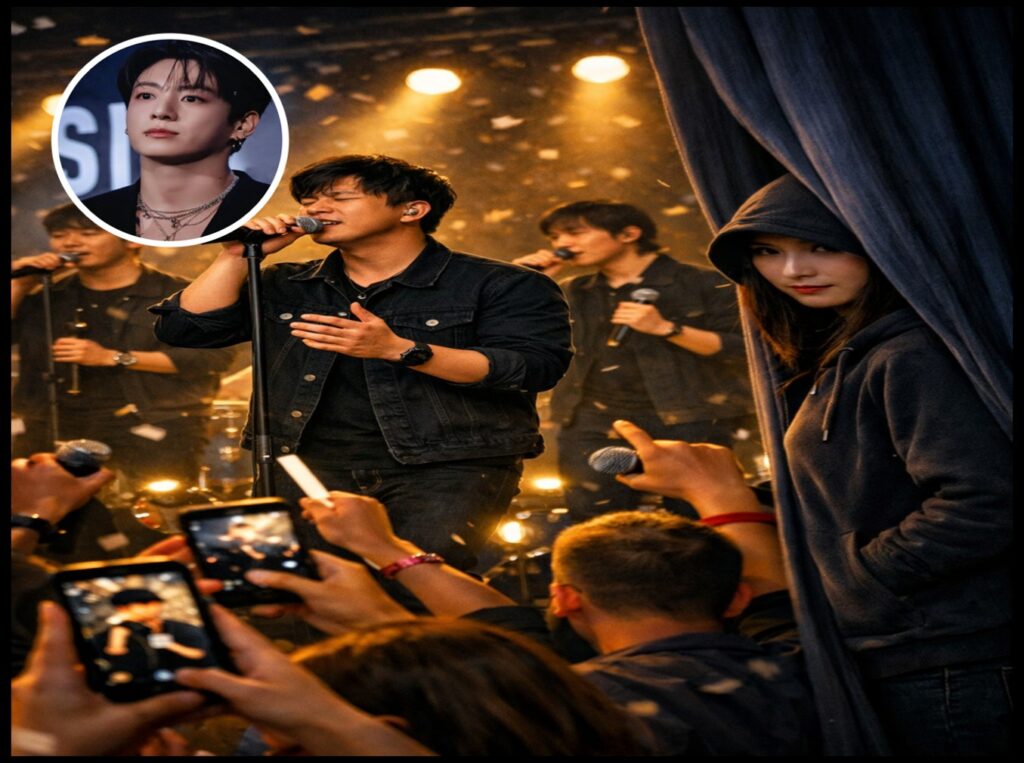
The image above captures Jungkook’s reaction of annoyance when he realized that the alleged “biggest fan” showed up once again, this time at the AMAs. In this article, I use the term “biggest fan” to describe that kind of intense behavior. I also look at how this behavior can develop, why it matters, and how staying alert can help protect both artists and the people around them.
Sometimes this kind of obsession shows up in ways that are hard to ignore. What starts as intense admiration can slowly spill into private spaces and everyday life. When that happens, the behavior may look like this:
- Appearing at private or unannounced industry events without an invitation.
- Showing up outside someone’s home and turning familiar places into sources of stress.
- Following along during personal routines, like a quiet morning walk or run.
- Calling late at night from blocked or unknown numbers.
- Sending unwanted gifts, packages, or unsettling items.
- Using hidden cameras or other invasive methods to capture private moments without permission.
When that level of attention is not returned with personal access or recognition, admiration can shift into anger, frustration, or resentment. That is when it becomes important to pause and ask a serious question: is this truly support, or is it something more dangerous? From a distance, behavior like this can be brushed off as devotion. Up close, it can feel deeply unsettling and very real.
Crossing the Invisible Line
Unfortunately, Jungkook and his bandmates are not the only artists to deal with overly intense “biggest fans.” We can think back to Elvis, the Beatles, and Michael Jackson, or to more current stars like Rihanna and Taylor Swift. For decades, the relationship between public figures and their audiences was guided by an unspoken understanding. Fans admired the art, bought the music, and showed up for performances, while artists shared their talent and appreciation from a respectful distance. It was, in many ways, a balanced exchange. Today, however, that boundary has become much less clear and is crossed far more often. A growing and troubling mindset in some corners of fandom suggests that financial support somehow creates personal ownership. Because these individuals spend money on expensive concert tickets, exclusive merchandise, and VIP packages, they begin to believe they have purchased unrestricted access to the person behind the performer. That way of thinking turns celebrity culture into a kind of transaction where human boundaries seem optional. Personal space, privacy, and even basic dignity begin to be treated like items that can be bought. That shift is not only unhealthy, but also deeply unfair to the artist. At its core, admiration should never come at the cost of someone else’s peace or safety.
The Illusion of Intimacy
When fandom turns into obsession, the problem often begins with a deep inability to separate real life from entertainment. In today’s media landscape, artists often share warmth, emotion, and vulnerability as a way to connect with their audience. For most people, that connection remains meaningful but clearly one-sided. For others, though, those carefully presented moments can be taken as deeply personal messages meant only for them. The person may genuinely believe the artist knows them, cares for them, and is somehow signaling a special bond or shared future. That belief can feel very real to them, even when it has no basis in reality. At that point, we are no longer talking about simple enthusiasm or intense admiration. We are looking at a serious mental health concern, often linked to delusional thinking or erotomania, where a person’s view of the situation becomes disconnected from what is actually true. It is a painful and complicated place for everyone involved. What seems like affection on the surface may actually reflect a much deeper personal struggle. That is why it is so important to recognize these signs early and respond with care, clarity, and firm boundaries.
Prioritizing the Artist’s Safety
When a fan’s behavior shifts from admiration to stalking, the focus needs to move quickly toward safety and protection. The change from the energy of a live performance to the quiet vulnerability of backstage or private life can create a serious window of risk. What looks like a normal end to a show for the audience can be the moment when security matters most for the artist. That is why artists and their management teams need clear, layered safety plans that stay in place long after the house lights go down. These measures are not about creating distance for the sake of image; they are about protecting a person’s well-being. Strong preparation can also help everyone respond more calmly and effectively if a situation escalates. In the end, safety planning should feel like a normal part of the job, not an extreme reaction. Public visibility may be part of fame, but constant vulnerability should never have to be.
To help protect their safety after performances and in everyday life, artists can rely on a few practical strategies. These steps can make a real difference by creating stronger boundaries and giving teams a clear plan when concerns arise.
- Use Professional Personal Protection: Work with trained security professionals who understand crowd control, threat assessment, and safe transportation.
- Involve Law Enforcement Early: Coordinate with local police and, when needed, federal agencies to report harassment, document incidents, and begin investigations when boundaries are crossed.
- Seek Legal Protection: Request temporary or permanent protective orders so there is a clear legal boundary in place if someone continues to approach or trespass.
- Protect Digital Privacy: Practice strong day-to-day security by keeping schedules private and avoiding real-time location sharing or travel updates on social media.
- Strengthen Home Security: Use reliable cameras, motion-sensitive systems, reinforced entry points, and professional monitoring to make private spaces more secure.
Conclusion: When the Curtain Drops
Ultimately, healthy fandom calls for a shared sense of perspective. Audiences can appreciate and enjoy a performer’s work while still respecting the clear boundary between a stage persona and a private life. Entertainment is something people experience together, but it is still limited to a moment in time. When someone invades a musician’s or actor’s personal space under the label of being their “biggest fan,” the consequences can be serious and lasting. The emotional toll on the victim can be heavy, and the legal consequences for the person crossing the line can also be severe. True admiration makes room for respect, distance, and basic human dignity. It does not demand access, control, or personal recognition. That is an important reminder in a culture where closeness can sometimes be confused with entitlement. When the final note fades, the lights dim, and the curtain falls, the performance is over. At that point, the respectful thing you can do is simply go home. Keeping that boundary of both the “Biggest Fan” and artist intact.