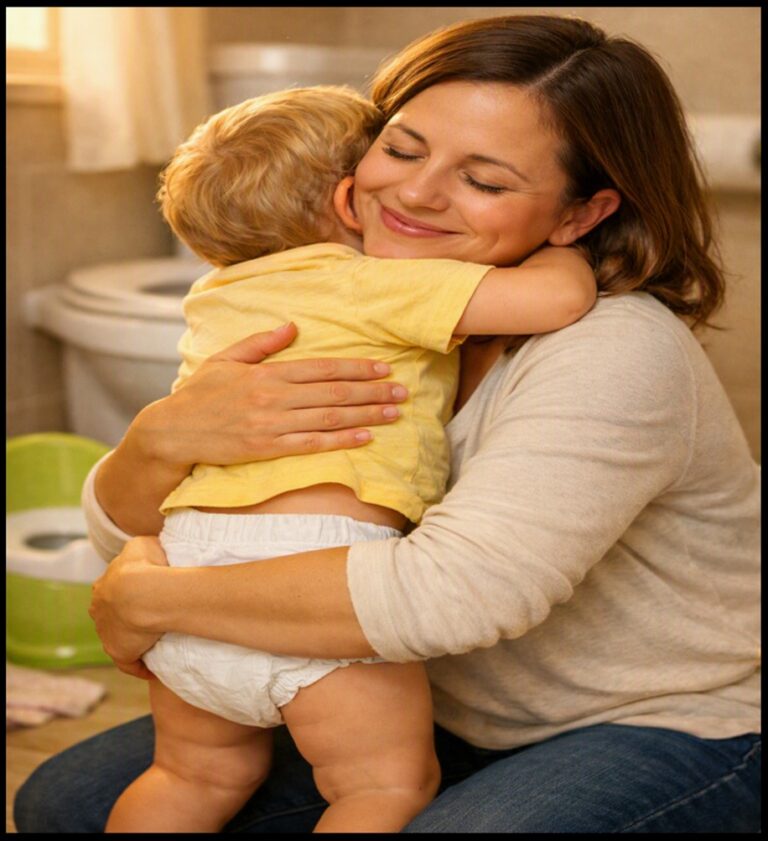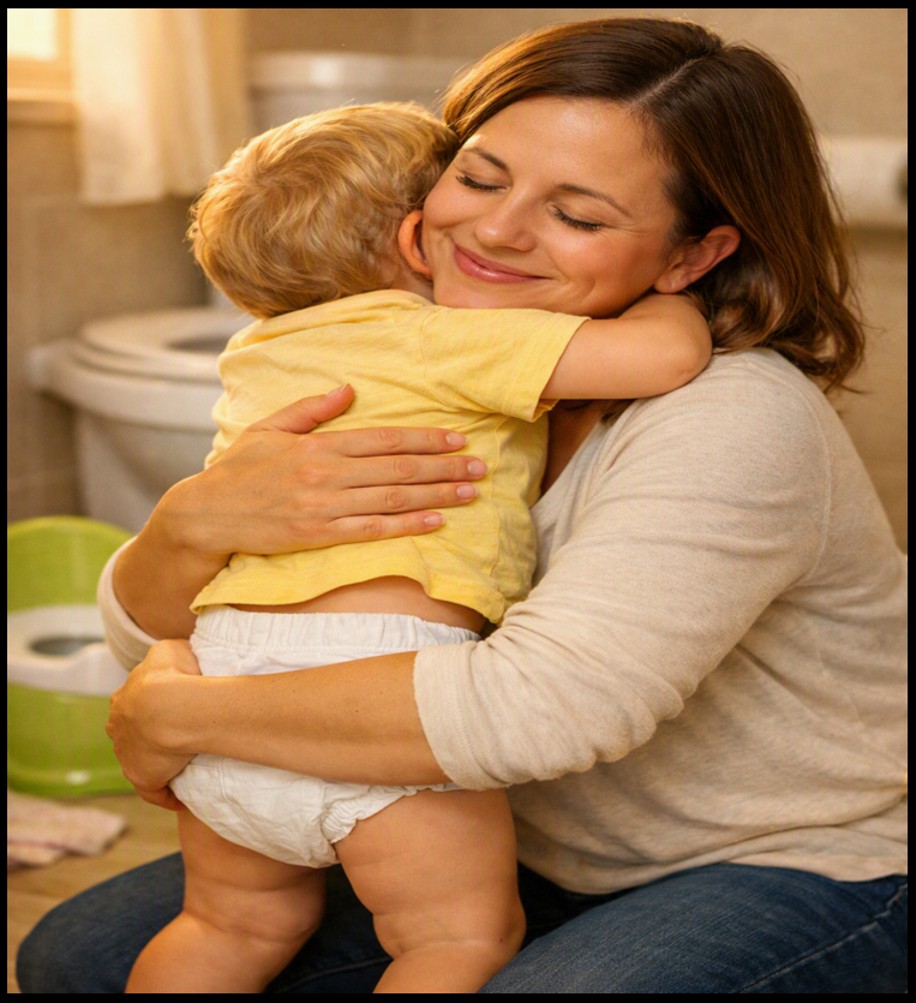
One little boy had a bathroom problem that was bigger than wet sheets, scattered wipes, and tiny pants abandoned on the floor. He was a toddler with autism, and to him, the toilet was not simply a toilet. It was loud. It echoed. It roared when it flushed. Then, after watching the live-action movie The Cat in the Hat, with Mike Myers bouncing across the screen in a world where ordinary things seemed wild and alive, he became convinced that the toilet was alive too, and worse, that it might eat him. Ultimately, “The Cat in the Hat” movie was banned from the house!
Every time the little boy used the bathroom and heard the flush, he launched himself out of the room as fast as his little legs could carry him, pants still trapped around his knees. Nighttime was even harder. Fear did not sleep just because everyone else did. He would wake in the middle of the night needing to go, and his mother had to get up two or three times just to make sure he did not wet the bed. Poor Mom was more tired than a horse pulling a pile of hay, yet she kept showing up because potty training is rarely just about the potty. It is about patience, trust, timing, and learning how a child experiences the world.
Potty Training Is a Journey, Not a Race
Many parents begin potty training with a calendar in one hand and a package of superhero underwear in the other, hoping that enthusiasm will do the work. But toddlers do not learn on adult schedules. A child may be physically ready before they are emotionally ready, or curious about the toilet one week and terrified of it the next. Children with autism may need even more time because sensory differences, communication challenges, routines, and fears can all affect toileting. The goal is not to win a race. The goal is to help a child build independence without turning the bathroom into a battlefield.
Start with Readiness
Before beginning, parents should look for signs that the child is ready. Can the child stay dry for a couple of hours? Do they notice when they are wet or soiled? Can they follow simple directions, even with prompts? Can they sit briefly on a potty chair or toilet seat? Readiness does not mean perfection. It means there are enough clues that the child can begin practicing. If there are medical concerns, constipation, pain, or frequent accidents that seem unusual, a pediatrician should be part of the conversation before pressure is added.
Make the Bathroom Less Scary
For some toddlers, especially children with sensory sensitivities, the bathroom can feel overwhelming. The toilet seat may be cold. The light may be too bright. The fan may hum. The flush may sound like thunder trapped in a bowl. If the flush is the problem, parents can separate using the toilet from flushing it. Let the child leave the room before someone else flushes. Try noise-reducing headphones. Practice listening to the flush from far away, then closer, at the child’s pace. The point is not to force bravery. The point is to teach the body that the sound is safe.
Create a Simple Routine
A predictable routine gives toddlers a map. Use the same words every time: “pants down, sit, try, wipe, flush, wash hands.” Pictures can help children who think visually or have trouble processing spoken instructions. A chart beside the bathroom door can show each step in order. Practice during calm times, not only during emergencies. Praise effort, not just success. Sitting for thirty seconds, walking into the bathroom without panic, or telling an adult “potty” are victories worth noticing.
Handle Accidents Without Shame
Accidents are not rebellion. They are information. A puddle on the floor may mean the child waited too long, did not recognize the body signal, could not communicate in time, or was too busy playing to stop. Parents can respond with calm language: “Your pants are wet. Let’s clean up and try again next time.” Anger may make a child hide accidents or fear the bathroom more. Calm cleanup teaches responsibility without humiliation.
Nighttime Takes Longer
Staying dry at night is different from daytime potty training. Some children sleep deeply. Some do not wake when their bladder is full. Others wake but are afraid to go alone. Parents can limit drinks close to bedtime, build one final bathroom trip into the routine, use waterproof mattress protection, and keep the path to the bathroom safe and softly lit. For a child frightened by the flush, no one has to flush in the middle of the night. Morning is soon enough.
Support the Parent, Too
Behind every potty-training story is an exhausted adult washing sheets, wiping floors, tracking patterns, and trying again tomorrow. Parents need support, not judgment. A tired caregiver can ask for help from another adult, talk with a pediatrician, consult occupational or behavioral specialists when needed, and take breaks when frustration rises. The child is learning, but the parent is learning too: what scares this child, what motivates this child, what words help, and what pace the child can tolerate.
What Not to Do
Just as important as knowing what helps is knowing what can make potty training harder. Do not leave a toddler sitting on the potty for long stretches, hoping something will happen; that can turn the toilet into a place of pressure instead of practice. Avoid punishing a child for messing in a diaper, having an accident, or not getting to the bathroom in time. Yelling, shaming, threatening, or comparing the child to siblings can create fear and resistance, especially for children who already feel overwhelmed by the bathroom. The better approach is to keep potty time short, calm, and predictable, then try again later with patience and reassurance. Lastly, potty-training moments are meant to be an intimate occasion between caregiver and child. Never leave this responsibility to careless individuals. Click on the link below for more info:
Man allegedly beat 3-year-old girl, who is not his child, to death during potty training!
Tips to Make Potty Training Easier for Parent and Child
- Keep potty trips short and positive. A few calm minutes are better than a long, stressful sit.
- Use the same bathroom words every time so the child knows what to expect.
- Create a visual schedule with pictures for pants down, sit, wipe, flush, wash hands, and celebrate.
- Offer small prizes for effort, such as stickers, bubbles, a favorite song, extra story time, or choosing a special hand stamp.
- Make a simple reward chart so the child can see progress without feeling pressured to be perfect.
- Dress the child in easy clothing, such as elastic-waist pants, to reduce frustration during urgent moments.
- Plan potty practice around natural times, such as after waking, after meals, before leaving the house, and before bed.
- For children afraid of flushing, let them leave the room before the flush or use headphones until the sound feels less scary.
- Celebrate communication, even if the child only points, signs, gestures, or brings an adult to the bathroom.
- Keep cleanup supplies nearby so accidents can be handled quickly, calmly, and without shame.
The Art Is in the Patience
Potty training is called training, but it is also translation. Parents translate body signals into routines, fear into safety, mess into learning, and tiny successes into confidence. The toddler who runs from the flushing toilet is not trying to make life difficult. He is telling the adults, in the only way he can, that something feels too big. When families listen to that message and respond with structure, humor, rewards, and compassion, the bathroom slowly becomes less like a monster and more like a place of independence. Some days will be messy, and some nights will be long, but progress often arrives in small, ordinary moments: one dry morning, one brave sit, one successful flush, one proud smile. Keep going gently. Your child is learning, and so are you. The mess may be real, but so is the progress.
Helpful Website Resources
- org Potty Training offers parent-friendly guidance from the American Academy of Pediatrics on readiness, routines, and toilet-training basics.
- Autism Speaks Toilet (Potty) Training includes autism-specific toolkits and articles for families working through sensory, communication, and routine challenges.
- CDC Autism Materials and Resources provides broader autism information, developmental resources, and family support tools.
- Vanderbilt Kennedy Center Toilet Training and Autism Spectrum Disorders (PDF) offers practical guidance for caregivers supporting children with autism during toilet training.