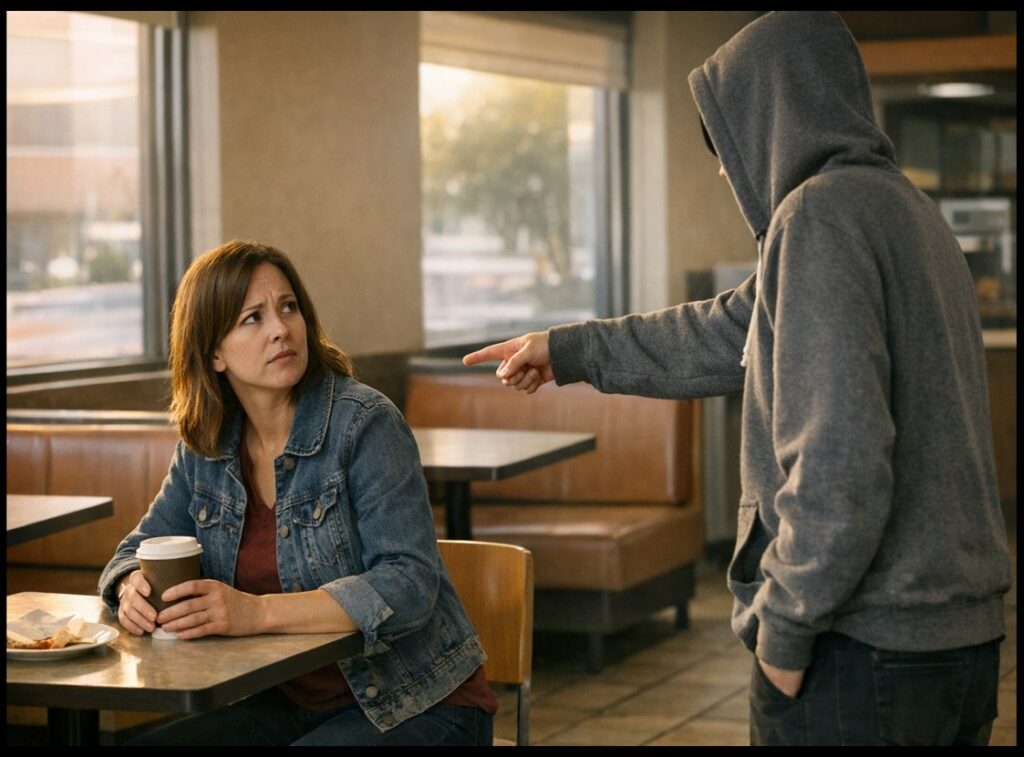
It’s early morning, and you’re heading to work. As part of your routine, you have a few minutes to spare, so you stop at a public restaurant- let’s say McDonald’s; you walk to the counter and order coffee. When you arrive at the seat, you see that it’s empty; you’re happy because it’s the same one you usually choose. Just as you’re getting comfortable, someone walks up and says, “I was sitting there.” You pause, a little confused, because there was no real way for you to know that. The seat was empty, and there wasn’t even a personal item there to suggest it was taken. In that moment, what would you do? It’s a simple situation, but it captures the quiet tension that can come with sharing space in public. Questions like this remind us that public space often depends less on clear rules and more on courtesy, observation, and how we respond to one another.
Public spaces tend to run on an unwritten social agreement that most people understand without ever having to say it out loud. By nature, a public place is open to everyone, so the way people claim a spot usually depends on who is there first and whether there is some visible sign that the space is being used. In most cases, the basic rule is still “first come, first served.” At the same time, people often add their own subtle signals, like leaving behind a coat, a notebook, or a cup of coffee while stepping away for a moment. Those small markers usually tell others that the seat is still occupied, at least temporarily. But when a space is empty, with no belongings or sign of recent use, it generally returns to being available for anyone. Expecting someone else to somehow know that an unattended seat is still “yours” creates confusion and can easily lead to an unnecessary misunderstanding. A little clarity and grace usually go much further than assumption in shared spaces.
When you’re moving through public spaces, protecting your peace of mind and personal safety matters far more than holding onto a chair or proving a point. Staying aware of your surroundings can make a big difference, especially when it comes to noticing people’s behavior, body language, or any signs that a situation may be turning tense. This doesn’t mean being fearful; it simply means being present and paying attention. Distraction can make it harder to respond quickly, so keeping yourself aware of what’s happening around you gives you more room to make calm, smart choices. It also helps you recognize when it’s best to step away before something minor becomes more stressful. In many situations, a quiet decision to disengage is one of the strongest choices you can make.
If you want to move through public spaces with a little more ease and awareness, these simple habits can help:
- Trust your instincts: If a person or situation feels off, it’s okay to listen to that feeling and step away. You do not have to stay and figure everything out in the moment.
- Keep your body language open: Standing or sitting with quiet confidence can help you stay aware of what is happening around you. A simple habit like keeping your head up and noticing your surroundings can make a real difference.
- Avoid unnecessary confrontation: Not every disagreement needs to be settled on the spot. Choosing calm distance over tension is often the safest and smartest response.
- Choose your spot thoughtfully: When possible, sit where you can easily see people coming and going, and keep your belongings close to you. Small choices like these can help you feel more comfortable and in control.
Ultimately, your safety should guide your final decision in any disagreement that happens in public. In this kind of situation, the wisest choice you’ve made was to simply move to another seat, not because the other person is right, but because your well-being matters more than any single seat ever could. Choosing to de-escalate by gathering your things and finding another table does not mean you have “lost.” If anything, it shows self-control, awareness, and a clear understanding of what is truly important. It also serves as a helpful reminder that public spaces are shared by everyone, which means no one can fully claim them forever. Holding onto that perspective can make everyday interactions feel a little lighter and easier to navigate. In the end, being aware of your surroundings, protecting your peace of mind and safety is always the better outcome.








I just like the helpful information you provide in your articles
Awesome! Its genuinely remarkable post, I have got much clear idea regarding from this post
I am truly thankful to the owner of this web site who has shared this fantastic piece of writing at at this place.
There is definately a lot to find out about this subject. I like all the points you made
Hi there to all, for the reason that I am genuinely keen of reading this website’s post to be updated on a regular basis. It carries pleasant stuff.