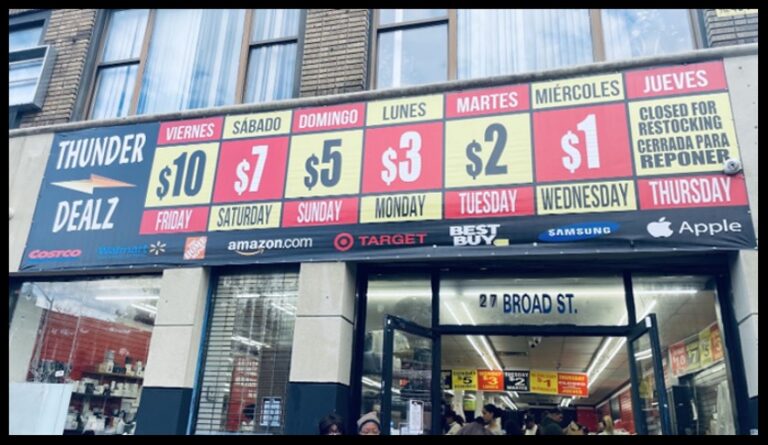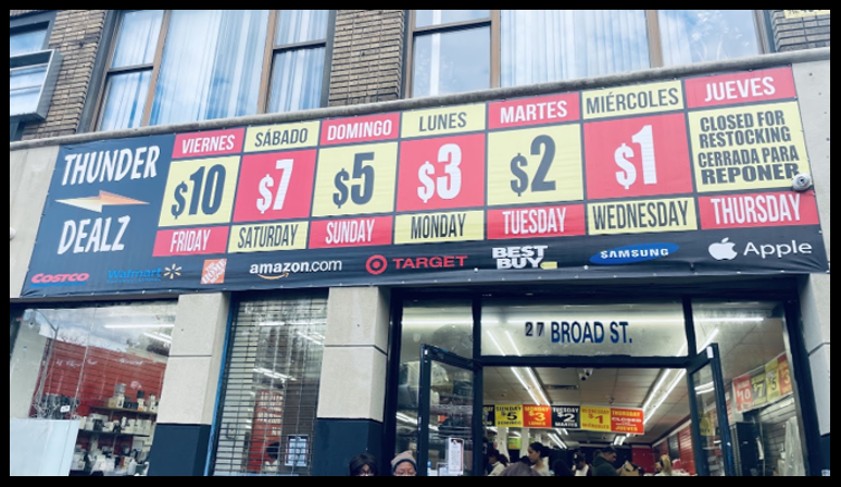
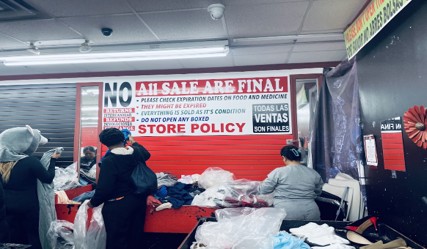
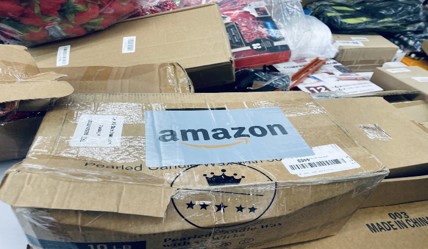
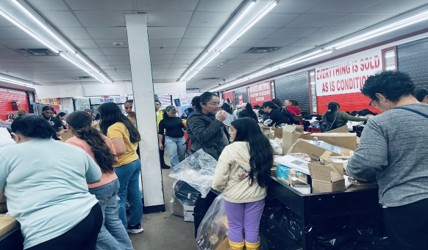
While walking through your town’s main shopping area, you notice a line forming. It’s a nice fall morning with a light breeze and plenty of sunshine. It’s a Friday. The line you see is starting to wrap around a popular storefront. Shoppers hold their coffee, check their phones, and chat anxiously. They are not waiting for a concert or a midnight tech release; they are waiting for the doors of a liquidation “bin store” to open. This particular store is packed with overstock, customer returns, and shelf pulls from retail giants like Amazon, Target, Best Buy, Costco, Home Depot, Samsung, Apple, and Walmart. These discount resale outlets have ignited a massive consumer craze across the country. As mentioned earlier, today is Friday, a $10 day. This means that the haul is new and free from prior customer rummaging.
It’s a Resale Craze
Resale is far from new. It began long before the 19th century with pushcart peddlers and church rummage sales, and certainly before evolving into thrift institutions like Goodwill and The Salvation Army. Back in the days of extreme struggle, people and families would find whatever had value in their homes and take it to the local market to sell in exchange for food, medicine, or needed household items, or to pay their taxes to the reigning king. In the fable of “Jack and the Beanstalk,” Jack and his mother were poor and in need of money. Jack’s mother took the only thing they had of value, a cow, and instructed Jack to bring it to the market to sell for a good price. Unfortunately, Jack didn’t follow directions. Well, you know how that story turned out. On the other hand, historical documents show slave owners taking their slaves to the market for resale if the owners deemed them difficult. Fast forward to the late 20th and early 21st centuries: the digital era transformed the resale sector with popular websites like eBay, launched in 1995, and Craigslist in the same year. With these sites, people were able to post their lightly used items to sell to or trade with individuals globally. By the 2010s, mobile apps like Poshmark, Mercari, and Depop made selling secondhand items as quick as posting a photo, paving the way for today’s massive liquidation and bin-store ecosystem. The resale industry picked up the pace during the COVID-19 pandemic. While the whole world was on lockdown, we were buying and selling online; well, mostly buying and returning. And where do you think the returned items ended up? You guessed it, liquidation bins!
Reselling is a Side Hustle
Reselling has transformed from a quirky weekend hobby into a mainstream, global economic force. Driven by inflation and a high cost of living, millions of people worldwide use reselling as a flexible side hustle to supplement their income. From stay-at-home parents flipping kids’ clothing to college students sourcing vintage jackets, anyone with a smartphone can run a resale business from their living room.
How the “Dollar Days” Pricing Model Works
The secret to the bin store model is daily descending prices designed to liquidate stock fast. Every week follows a strict schedule:
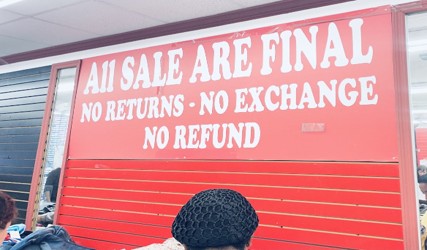
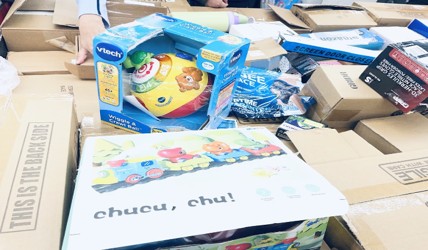
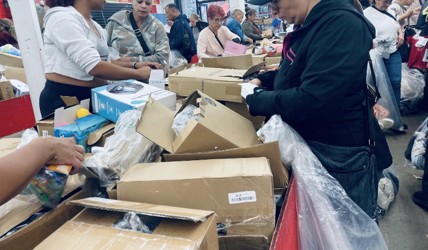
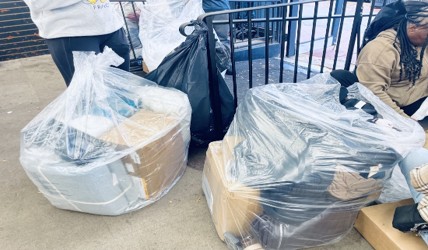
At this store in Elizabeth, crowds line up every morning, regardless of the day’s price. When the doors open, a store clerk greets each customer with a smile and offers a large, clear shopping bag. The fundamental rule of the bin store is strict: whatever price day it is, that is how much you pay per item. If you walk in on a $10 day and grab a plastic hairbrush worth $1, the clerk will charge you $10 without hesitation. The game relies on the customer’s ability to spot a $150 item buried beneath low-value filler. Below is an example of how the daily price system operates.
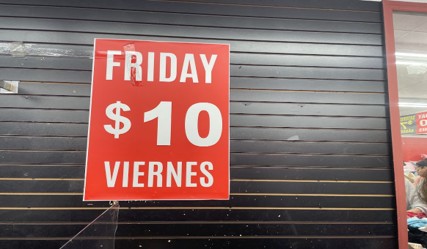
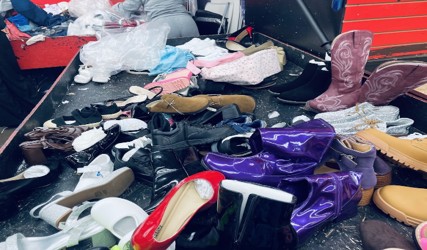
- Friday ($10 Day): Freshly restocked bins are loaded with high-value mystery items, wireless headphones, air fryers, designer shoes, name-brand tools, household staples, and children’s toys.
- Saturday ($7 Day): The price of the remaining stock is reduced by $3, drawing bargain hunters looking for everyday home goods.
- Sunday ($5 Day): The price is now reduced by half, while the remaining items displayed are somewhat out of order. Most packaging has been opened.
- Monday ($3 Day): The price is reduced, enticing more buyers to come into the bin store for a quick look. They may find one or two items of value.
- Tuesday ($2 Day): Everything not sold is organized and moved to the middle bins. Empty boxes are removed for a better view of what’s left.
- Wednesday ($1 Day): Everything left is marked down to be cleared out, giving extreme deal-seekers a final dig.
- Thursday (Closed): The store shuts its doors entirely so workers can process freight trucks and restock the giant wooden bins for the next cycle.
The Journey of an Item: How Many Times Is It Resold?
Hypothetically speaking, before an item reaches a landfill, it can pass through several resale hands. Only after cycling through multiple owners and markets may a broken or worn-out item finally end up in a landfill, making resale one of the most effective circular economy engines in existence. Let’s look at a possible scenario of the resale cycle.
- Primary Retailer: An item is sold brand-new at Target, Walmart, Amazon, or a popular name-brand store, etc.
- First Return / Wholesale Liquidation: The customer returns it, and the retailer packages it into liquidation pallets or truckloads sold to wholesale brokers.
- Bin Store / Liquidation Shop: The bin store owner buys the pallet, and the journey starts in a $10 bin. Each day the price is lowered until all items are sold.
- Third-Party Reseller: A side-hustler buys the item for $10 and lists it on eBay or Poshmark for $45.
- Thrift Store / Yard Sale: Years later, the current owner may donate or resell the item at a yard sale.
- Flea Market / Outlet: Clearance vendors acquire unsold thrift stock in bulk by weight to resell for pocket change.
Types of Resale Stores & The Benefits of the Business
Several store formats populate the modern resale landscape: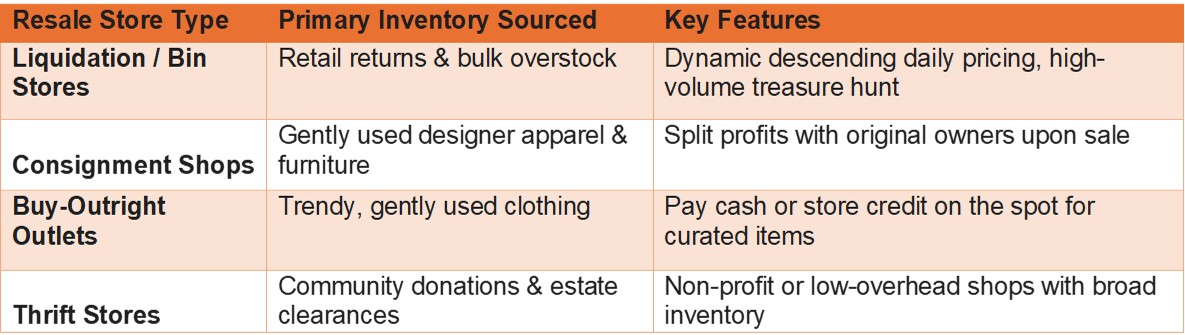
Benefits of Reselling
- Low Startup Capital: You can start with zero inventory costs by selling unused items sitting in your closet.
- Environmental Impact: Keeps millions of tons of functional goods out of landfills each year.
- High Margin Potential: Finding brand-name items for $3–$10 and reselling them for $40–$100 yields strong profit margins.
Anyone can build a successful resale business as long as it is done ethically: test electronics before selling, disclose all flaws accurately, avoid counterfeit goods, and price items fairly.
The Dos and Don’ts of Starting a Reselling Business
Dos
- Do inspect items thoroughly: Open boxes, check for missing cables, and test power buttons before listing.
- Do research market prices: Use eBay “Sold Items” filters to check actual cash value rather than listing prices.
- Do keep accounting clean: Track purchase prices, platform fees, and shipping costs to calculate real net profit.
Don’ts
- Don’t buy impulse stock: Avoid overpaying on high-dollar days for unverified products you cannot test.
- Don’t hide defects: Selling broken items as “new” will destroy your seller rating and trigger forced refunds.
- Don’t ignore shipping rules: Factor item weight and box sizes into your pricing to avoid shipping cost surprises.
Where to Start & How to Scale
To build a profitable resale operation:
- Phase 1 (Zero Budget): Sell 10 items from your own home to learn photography, listing, and shipping basics.
- Phase 2 (Local Sourcing): Purchase products from local liquidation bin stores on $3 and $5 days or hit weekend garage sales and flea markets.
- Phase 3 (Scaling Up): Partner with liquidation distributors like www.bstock.com to buy large pallets directly, moving from individual flipping to wholesale supply.
Top Resale Platforms & Sourcing Venues
- Online Platforms: eBay, Poshmark, Mercari, Facebook Marketplace, Depop, Whatnot (live auctions), your own website.
- Local Spots to Purchase Items: Bin stores, garage and estate sales, thrift outlets, storage auctions, and local online pickup groups.
What’s Trending in Resale
- Y2K & Vintage Apparel: ’90s and early-2000s street fashion, graphic tees, and vintage denim.
- Compact Electronics & Small Appliances: Air fryers, espresso makers, smart home plugs, and wireless earbuds.
- Refurbished Power Tools: Cordless drills, batteries, and outdoor equipment from home improvement liquidations.
- Nostalgic Toys & Video Games: Retro gaming consoles, sealed LEGO sets, and collectible action figures.
Start Your Hustle Today
In an economy where inflation squeezes household budgets and job security can feel uncertain, learning how to hustle is one of the most empowering skills you can build. You don’t need thousands of dollars or a commercial warehouse to take control of your financial future.
Start small this weekend: clean out your closet, list a few gently used items online, and learn the mechanics of supply and demand. Once you turn your extra clutter into cash, take those profits to your local bin store, start sourcing like a pro, and turn a simple side hustle into a thriving business.
Wholesale Liquidation suppliers
- B-Stock: Returned, excess, and trade-in inventory from major retailers and brands, with auctions and some direct-purchase options. Lots include pallets and truckloads.
- com — Liquidity Services: Auctions for surplus merchandise in package, pallet, and truckload quantities, including electronics, clothing, housewares, tools, and general merchandise.
- Direct Liquidation: Wholesale lots of customer returns, overstock, and end-of-life products, with purchase options including offers and “buy now.”
- Via Trading: Customer returns, overstock, and shelf pulls sold by the case, pallet, or truckload, including apparel, footwear, and general merchandise.
- Walmart Liquidation Auctions: An official channel where approved resellers can bid directly on Walmart excess inventory, store returns, and refurbished bulk lots.
- Target Liquidations Marketplace: An official marketplace offering Target liquidation merchandise to approved buyers in pallets and truckloads.