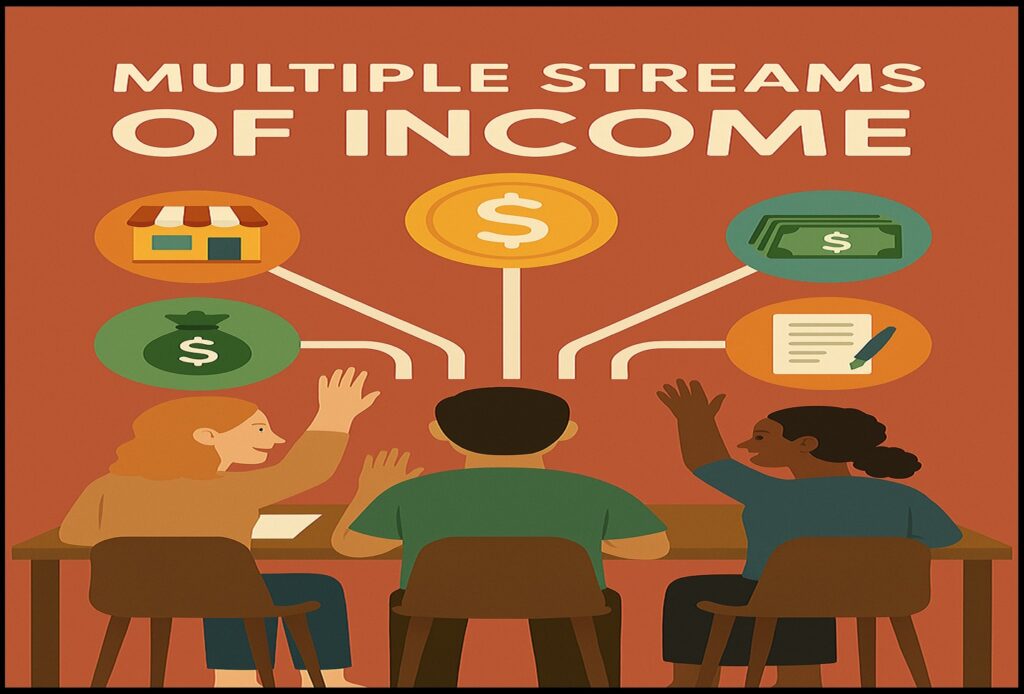
The Era of Multiple Sources of Income
The concept of having multiple sources of income is not new. It has its origins in the early 20th century when people began to realize the importance of diversifying their income streams to achieve financial stability. However, it wasn’t until the late 20th century and early 21st century that this practice became more widespread and essential.
The Decade of Necessity
The 2000s marked a significant shift in the need for multiple income sources. The global financial crisis of 2008 left many people unemployed and struggling to make ends meet. This period highlighted the vulnerability of relying on a single source of income and prompted many to seek additional ways to earn money. The gig economy began to flourish, with platforms like Uber, Airbnb, and TaskRabbit offering opportunities for people to supplement their income.
The COVID-19 Boost
The COVID-19 pandemic further accelerated the trend of having multiple income sources. The pandemic led to widespread job losses and economic uncertainty, forcing many to find alternative ways to generate income. Remote work and online businesses became more prevalent, with people turning to freelancing, e-commerce, and digital content creation to make a living. The pandemic underscored the importance of financial resilience and the need to have multiple streams of income to weather economic downturns.
The Impact of Inflation
In recent years, inflation has made it increasingly difficult for people to maintain their standard of living. The rising cost of goods and services has put a strain on household budgets, making it essential for individuals to find additional sources of income. Inflation erodes the purchasing power of money, meaning that people need to earn more to afford the same things they used to. This has led to a growing number of people seeking side hustles and part-time jobs to stay afloat.
Strategies for Managing Multiple Income Streams
Managing multiple sources of income can be challenging, but several strategies can help:
- Time Management: Prioritize tasks and allocate time effectively to ensure that each income source receives the attention it needs.
- Financial Planning: Create a budget and track your income and expenses to ensure that you are meeting your financial goals.
- Skill Development: Continuously improve your skills to increase your earning potential and stay competitive in the job market.
- Networking: Build and maintain professional relationships to discover new opportunities and gain valuable insights.
- Diversification: Spread your income sources across different industries and sectors to reduce risk and increase stability.
Conclusion
The era of having multiple sources of income is here to stay. It has its roots in the early 20th century, gained prominence during the 2000s, and received a significant boost during the COVID-19 pandemic. Inflation has further emphasized the need for additional income streams to maintain financial stability. By adopting effective strategies for managing multiple income sources, individuals can navigate economic challenges and achieve financial resilience.
List of Side Hustles 
- Freelancing (writing, graphic design, programming)
- E-commerce (selling products online)
- Digital content creation (blogging, YouTube, Instagram, podcasting)
- Online tutoring or teaching
- Ridesharing or delivery services (Uber, Lyft, DoorDash, Walmart Spark, Shipt)
- Renting out property (Airbnb)
- Help with tasks for the disabled and elderly (Papa Pal)
- Pet sitting or dog walking
- Virtual assistance
- Stock photography
- Handmade crafts or products (Etsy)
- Become a Notary Public/ Loan Signing Agent
- Become a Real Estate Agent
- Lawn and yard care services for the elderly
- Cleaning/Maid services
By exploring these side hustles, individuals can find additional ways to generate income and achieve financial stability.